Nullam dignissim, ante scelerisque the is euismod fermentum odio sem semper the is erat, a feugiat leo urna eget eros. Duis Aenean a imperdiet risus.
Nullam dignissim, ante scelerisque the is euismod fermentum odio sem semper the is erat, a feugiat leo urna eget eros. Duis Aenean a imperdiet risus.

Introduction to Industrial Plug
In the world of industrial operations, the term "Industrial Plug" might seem simple, yet it plays a pivotal role in ensuring seamless connectivity and power distribution across various sectors. Imagine a bustling factory floor or a large-scale construction site—each piece of machinery relies on robust electrical connections to function efficiently. This is where industrial plugs come into play, providing the backbone for powering heavy-duty equipment safely and reliably.
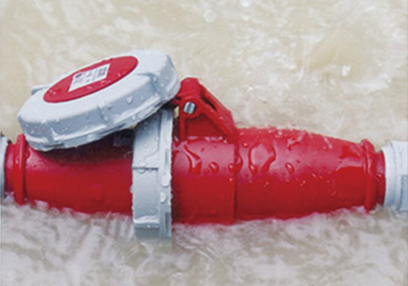
So, what exactly is an industrial plug? At its core, an industrial plug is a specialized electrical connector designed to handle higher currents and voltages than standard household plugs. These plugs are crafted from durable materials like thermoplastic or metal, ensuring they withstand harsh environmental conditions, including extreme temperatures and moisture. Unlike residential plugs, industrial plugs are equipped with features that prevent accidental disconnections and enhance safety, such as locking mechanisms and weatherproof covers.
The importance of industrial plugs extends beyond their physical attributes. They are integral to operations in diverse environments, from manufacturing plants and construction sites to agricultural fields. Their ability to provide consistent and secure power connections makes them indispensable in settings where reliability is non-negotiable.
Why are industrial plugs so crucial? Consider the vast array of machinery used in industries today—each requiring a stable power source to operate efficiently. Industrial plugs ensure that power is delivered safely and consistently, reducing the risk of electrical failures that could lead to costly downtime or equipment damage. Moreover, these plugs are designed to meet stringent safety standards, offering protection against electrical hazards such as shocks and short circuits.
As we delve deeper into the world of industrial plugs throughout this blog, we will explore their various applications, from powering large machines to supporting infrastructure in remote locations. We'll also look at future trends, such as advancements in smart industrial connectors and the role of international standards in promoting global compatibility. By understanding the fundamentals and future prospects of industrial plugs, industries can make informed decisions to enhance their operational efficiency and safety.
Understanding Industrial Plugs
Industrial plugs and their counterparts—industrial power plugs, sockets, outlets, and electrical connectors—are the unsung heroes of modern industry. These components form the backbone of electrical power distribution in heavy-duty environments, ensuring that machinery operates smoothly and efficiently. But what exactly are these components, and why are they so vital?
An industrial plug is a connector designed to handle High Currents and voltages, typically found in industrial settings. Unlike household plugs, these are built to endure harsh conditions, thanks to materials like thermoplastic or metal. They are often equipped with safety features such as locking mechanisms and weatherproof covers to prevent accidental disconnections and enhance user safety.
The industrial power plug is a more specific term, often used interchangeably with industrial plug, referring to the plug used to connect heavy machinery to power sources. Meanwhile, an industrial socket or industrial outlet is the fixed counterpart where the plug is inserted, typically installed on walls or equipment to provide a secure power connection.
Another key term is industrial electrical connectors , which broadly includes plugs, sockets, and other components designed to join electrical circuits together. These connectors are crucial for maintaining reliable power connections in industries such as manufacturing, shipping, and construction.